Across rural South Carolina the same quiet challenge repeats: talented people leave, populations age, and small communities struggle to recruit the teachers, nurses, and young professionals that keep them vibrant. Other places try to reverse the trend by writing checks. Project Hometown SC makes a different wager — that telling a community's story well enough will make people want to be part of it.
What it is
Project Hometown SC is a two-year initiative (2026–2027) working in Hartsville, Cheraw, and Walterboro. It is funded through the Southeast Crescent Regional Commission under its State Economic and Infrastructure Development (SEID) program, with a total budget of $400,000 — $305,000 in federal funds matched by $95,000 locally. The project is led by Jenny Boulware of Main Street South Carolina, in partnership with RGI and the South Carolina Office of Rural Health.
The model was proven in miniature by RGI's Cheraw Remote pilot, which drew 100+ relocation inquiries on roughly $1,500 of ad spend. Project Hometown SC is built to make that personal, story-driven approach scalable and lasting.
The model: ambassadors, apprentices, partners
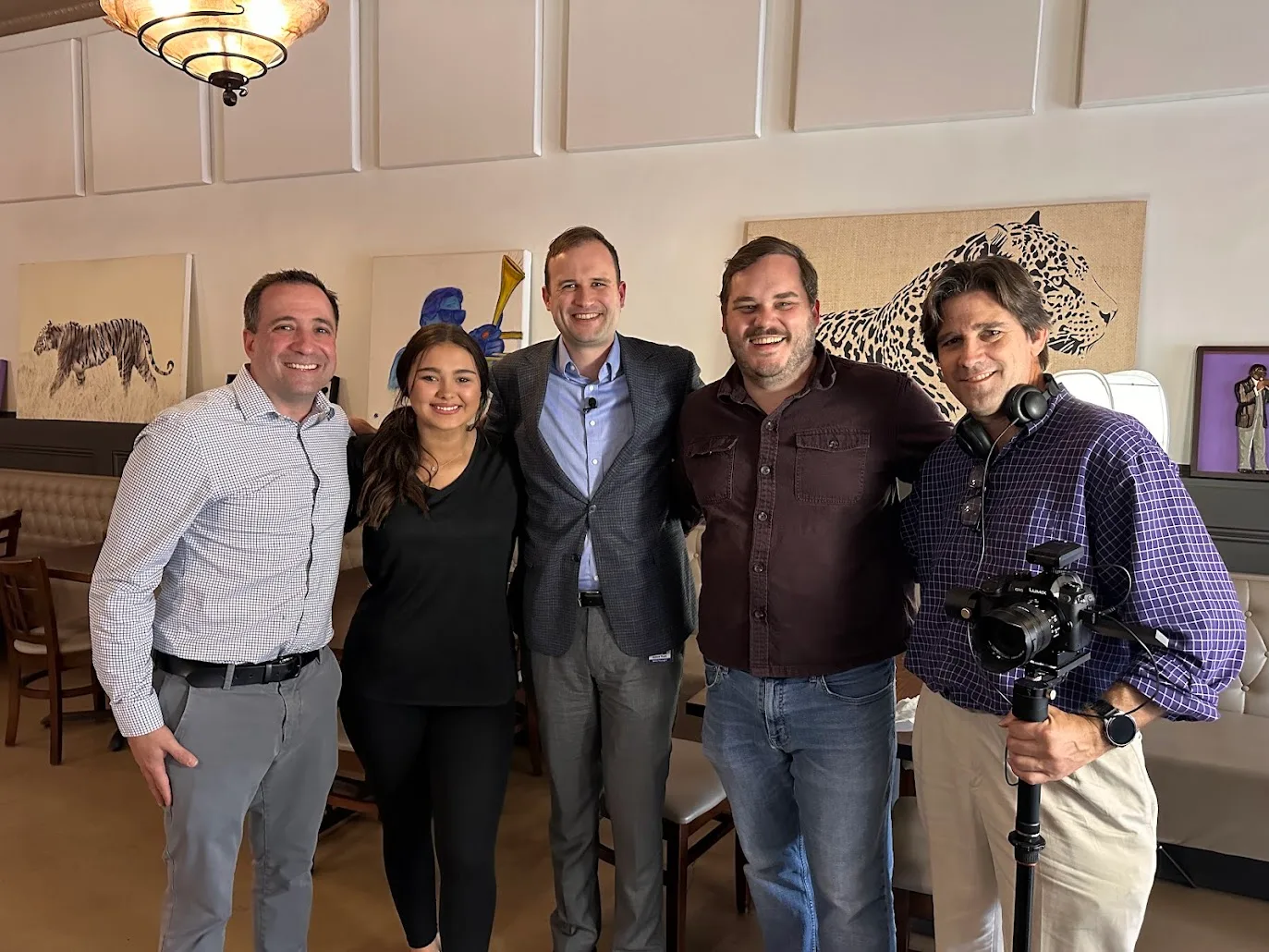
The initiative runs across five coordinated workstreams, but its engine is local people. Fifteen Hometown Ambassadors — five per town — are trusted residents trained to welcome newcomers, answer relocation inquiries personally, and lead community tours. Three paid Storytelling Apprentices, one per town, spend eighteen months learning photography and digital storytelling alongside professional storytellers — William Mitchell of Timothy + Sinclair and the team at Storyville — each building a portfolio of fifty or more community stories and leaving behind durable local capacity.
RGI provides the project's project-management and administrative support — led by RGI's own Luke Giddings — coordinating partners, recruitment, microsites, lead-tracking systems, and the housing-access module, and keeping storytelling, ambassadors, healthcare recruiting, and relocation follow-up moving as one program.
A broad coalition
Project Hometown SC is backed by the City of Hartsville, the Town of Cheraw, the City of Walterboro, the Pee Dee Council of Governments, Darlington County Economic Development and School District, the Community Foundation for a Better Hartsville, the Municipal Association of South Carolina, and healthcare partners including the SC Office of Rural Health, CareSouth Carolina, and Genesis Healthcare.